
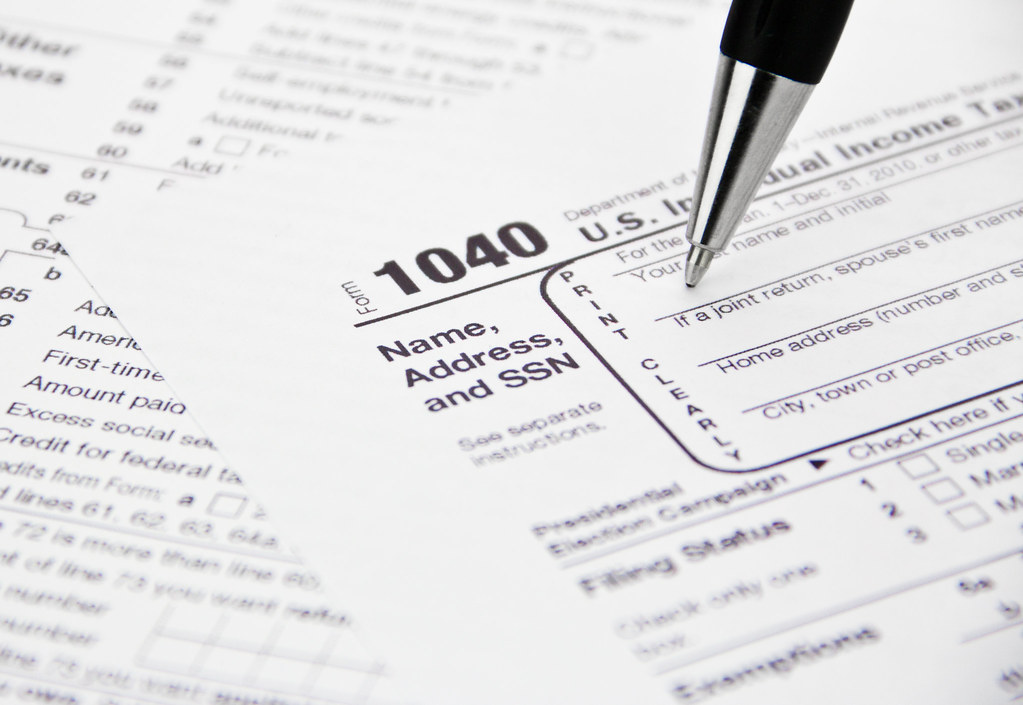
Image: kenteegardin via Flickr, CC BY-SA 2.0
A new piece of mail showed up in crypto investors' inboxes this year, and it has teeth. Form 1099-DA is the first tax document that US crypto exchanges must file with the IRS about your trades. Coinbase, Kraken, Robinhood and every other US platform sent them out for the first time this past January–February, covering 2025 sales. The IRS now sees your gross proceeds — and its matching computers assume the form is right. Often, it isn't.
What Form 1099-DA Actually Reports
The form itself is simple. For tax year 2025 — the forms you received in early 2026 — brokers only had to report gross proceeds: the total dollar value of everything you sold or swapped on their platform. Cost basis — what you paid — was optional, and most brokers left it blank. The official instructions live on IRS.gov, but the short version is this: the IRS learned what you sold, not what you spent.
Starting with tax year 2026, the rules tighten. Brokers must report basis too — but only for "covered" assets: coins you both bought and held at the same broker from January 1, 2026 onward. Anything you bought earlier, or transferred in from a wallet, stays uncovered. The gap between what the IRS sees and what actually happened will stick around for years.
The Phantom Gain Problem, in One Ledger
Say you bought $80,000 of ETH in a private wallet in 2024, moved it to an exchange in 2025, and sold it there for $100,000. Here is what you know versus what the IRS sees:
If you file without attaching your own basis records, the automated matching system flags the mismatch and mails you a CP2000 notice assessing tax on $80,000 of gain that never existed. Tax professionals call these phantom gains, and firms that specialize in crypto returns say missing basis is the single most common defect on the new forms. The Tax Adviser, the AICPA's journal, ran a whole feature this spring on what it called the 1099-DA reporting maze.
Check Your Own Risk in 20 Seconds
Answer the four questions below. Each "yes" raises the odds your 1099-DA overstates your gains.
📋 Phantom Gain Risk Checker
Did you transfer crypto INTO an exchange before selling it there?
Did you buy any of the crypto you sold before 2026?
Do you use more than one exchange or wallet?
Did you swap coin-for-coin (ETH→SOL, etc.) rather than only selling for dollars?
How to Fix It: Five Steps Before You File
- Reconcile, don't copy. Never type 1099-DA numbers straight into your return. Match every sale on the form against your own records first.
- Rebuild your basis. Export transaction history from every exchange and wallet you have ever used. Crypto tax software can stitch the timeline together and price each acquisition.
- Report on Form 8949. That is where you list each sale with proceeds AND basis. Your gain goes to Schedule D. The 1099-DA proceeds should match; your basis fills the blanks the broker left.
- Keep the evidence. Wallet addresses, acquisition dates, screenshots, CSVs. If a CP2000 letter comes, a documented basis is what makes it go away.
- Report even without a form. Sales on decentralized exchanges or foreign platforms may generate no 1099-DA at all. The obligation to report them is yours either way.
Who Gets Caught Out
Three groups should treat this form with extra care. Long-time holders who bought coins years ago on defunct platforms may have real trouble documenting basis — start digging now, not in April. Active traders who swap coin-for-coin generate dozens of reportable events with no dollars changing hands, and each one lands on the form. And DeFi users who moved assets through self-custody wallets break the data trail brokers rely on, so nearly every sale they make shows up basis-blank.
One more wrinkle worth knowing: brokers had a transition-year safe harbor for 2025 forms, so penalties for imperfect broker reporting were relaxed. There is no such grace for taxpayers. The IRS position is blunt — the form is informational; the accurate return is your job.
The Bigger Picture for Investors
The 1099-DA era changes crypto investing in a quiet but permanent way: the IRS now has independent visibility into your selling activity. The days of self-reported crypto gains on the honor system ended in January. Two practical habits follow. First, favor keeping assets where you plan to sell them — a coin bought and sold at the same broker after January 2026 gets clean, covered reporting with no phantom-gain risk. Second, run crypto tax software year-round rather than reconstructing history each spring; the investors who suffer most under this regime are the ones rebuilding five years of wallet hops in a weekend.
Bottom line: your 1099-DA is not a bill, and it is not the truth — it is one broker's partial view of your year. File with your own records, attach your basis, and the form works for you instead of against you. Ignore it, and the phantom gains become very real letters.