
Photo: rawpixel.com, CC0.
Binance now lets traders post tokenized Tesla and Netflix shares as margin collateral. The real shares behind those tokens sit at a US broker-custodian that shuts at 4pm Eastern on Friday and reopens at 9:30 on Monday. For about 65 hours in between, your collateral has a live price and the asset backing it does not.
What Binance switched on
bStocks were admitted to trading on June 12, 2026, issued by BTech Holdings Limited, a Binance group affiliate. The first five listings were Circle (CRCLB), Micron (MUB), Nvidia (NVDAB), Sandisk (SNDKB) and Tesla (TSLAB). The catalog has since passed 46 names. The product crossed $1 billion in assets under management inside its first 30 days, on roughly $3 billion of cumulative trading volume and about $42 million of average daily inflows.
Collateral eligibility arrived later, in waves. An initial batch of 15 bStocks became pledgeable in early July, including Circle, Strategy, an Invesco QQQ tracker and an iShares South Korea ETF. Ten more followed days after that, among them Alphabet (GOOGLB), Coinbase (COINB) and an S&P 500 tracker (SPYB). On August 5 another ten landed: Netflix (NFLXB), ASML (ASMLB), Super Micro (SMCIB), IREN (IRENB), AST SpaceMobile (ASTSB), Coherent (COHRB), Credo (CRDOB), USA Rare Earth (USARB), Astera Labs (ALABB) and BitMine Immersion (BMNRB). GameStop joined on August 12.
The tokens work as collateral across Cross Margin, Portfolio Margin and Portfolio Margin Pro. Two restrictions travel with them. Access is capped to VIP 3 accounts and above in permitted jurisdictions, and Binance offers no lending support for these assets.
What you actually hold
A bStock is a certificate representing an interest in securities the issuer holds. The product's own documentation states plainly that holders do not directly own a share in the listed company, and no voting rights come attached. An SPV buys the equity and parks it with a regulated US broker-custodian, where the position is segregated and reconciled daily. Share purchases run through broker-dealer Nest Trading, with custody at New York-based Alpaca Securities.
Dividends do reach holders, through a side door. Rather than a cash payment, an on-chain multiplier adjusts your token balance so the ratio to the underlying share reflects the reinvested dividend. Micron ran the first live payout in early July 2026. Conversion between token and share is 1:1 with no fee, offered around the clock — with the caveat that redeeming into an actual stock position settles during regular market hours. That caveat matters more than anything else on the product page.
The 65-hour hole
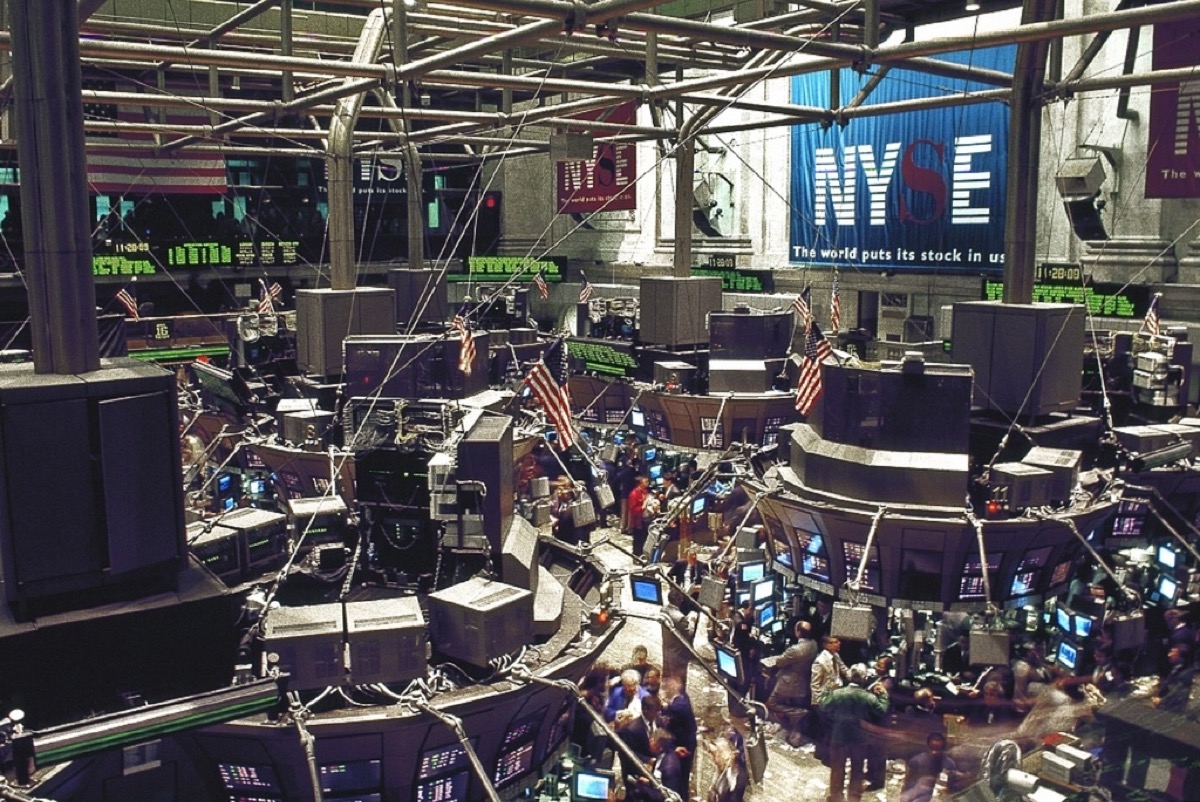
The New York Stock Exchange and Nasdaq run a regular session from 9:30am to 4pm Eastern, five days a week. That is 32.5 hours out of 168. Pre-market and after-hours stretch it to roughly 80. A bStock trades all 168.
Weekly trading hours: token vs. underlying
Regular session 9:30–16:00 ET Monday to Friday; extended hours approximately 04:00–20:00 ET.
Between Friday's close and Monday's open there are about 65 hours in which no share of Tesla changes hands on a US exchange. The token keeps printing prices the entire time, and the margin engine keeps valuing your pledged collateral off those prints. A maintenance margin breach on Saturday morning does not wait for the opening bell.
Off-hours order books for tokenized equities are thin. The market makers who normally hold a tokenized share close to its reference price do it by hedging in the underlying, and over the weekend that hedge is unavailable. What holds the price is inventory and appetite. A single sized sell order can move the print several percent, and that print is what the liquidation logic reads.
June gave a preview. Around June 25, 2026, tokenized SpaceX exposure absorbed roughly $50 million of liquidations inside 48 hours, sitting behind only Bitcoin and Ether on derivatives liquidation screens. SpaceX had priced its IPO at $135 and opened on Nasdaq at $150; the crypto-side product traded under that open as leverage unwound. That was a perpetual futures market rather than pledged spot collateral, and the mechanism it demonstrated is the one now wired into margin accounts: a 24/7 venue repricing an asset whose reference market is not there to argue back.
The eligibility rules are the risk disclosure
Binance published no loud warning about weekend gaps. It wrote one into the access rules instead. VIP 3 and above means accounts with heavy 30-day volume or a large BNB balance — traders who already run leverage for a living. No lending support means the exchange will let you pledge a bStock and will not fund anyone borrowing one, which removes the shorting path that would otherwise tighten pricing at the margins.
My read: the gating tells you more than the AUM headline does. A billion dollars in 30 days says there is demand. A VIP-3 wall on the collateral function says the risk desk has already formed a view about what a tokenized Netflix position does on a Sunday afternoon.
If you trade there
| Position | What you carry |
|---|---|
| Spot bStock, unpledged | Price risk on the underlying, plus issuer and custody risk at BTech Holdings and its SPV. |
| bStock pledged as collateral | All of the above, plus a liquidation trigger that can fire at 3am Saturday against a price no US exchange is open to confirm. |
| Pledged bStock funding a crypto trade | Two round-the-clock markets stacked on one asset whose reference venue is shut roughly 80% of the week. |
Three practical points follow. Check the collateral ratio per asset rather than treating bStocks as one bucket; Binance sets haircuts token by token and revises them, and a name listed last week can carry a harsher one than Nvidia. Remember that Portfolio Margin nets risk across a book, and a tokenized equity that gaps has no natural crypto offset, so netting protects you less here than it does across correlated tokens. Watch your own weekend buffer: the equity in a cross-margin account on Friday afternoon is the last number a US price feed will validate for two and a half days.
The short version
Tokenization moved the trading hours. It did not move the market where price discovery happens. Every risk in this product traces back to that split.
The number to watch is Monday at 9:30
Assets under management is the figure the press releases lead with, and it measures enthusiasm rather than soundness. The figure that will settle this is the gap between Friday's 4pm print and the first ten minutes of Monday trading, measured across a handful of weekends where crypto sold off hard and equities were closed. If tokenized Nvidia tracks real Nvidia through those windows, tokenized collateral has earned a place in a margin account. If it overshoots and snaps back each time, the liquidations happening in between are not risk management — they are the venue charging rent for being open when nothing else is.
Binance's own launch announcement describes bStocks as fully backed 1:1 by shares held with a regulated custodian. The backing is not the part in question; the timing mismatch between the two markets is.